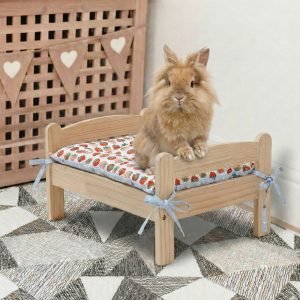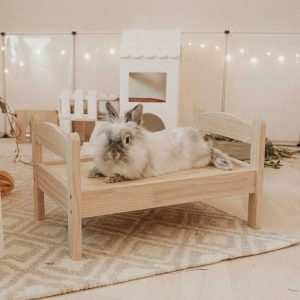
Rabbit house
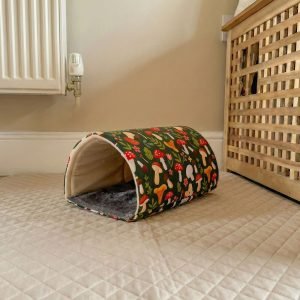
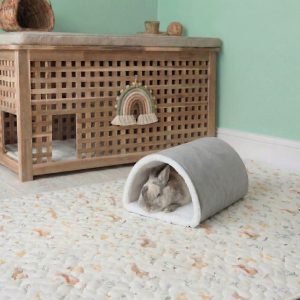
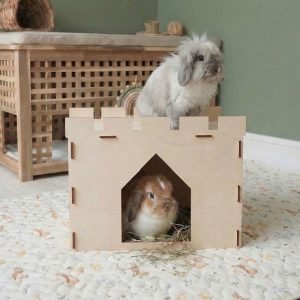
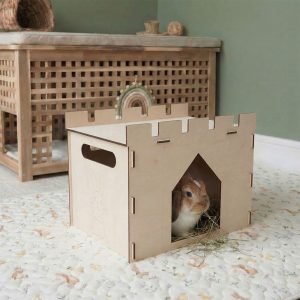
Shop indoor rabbit houses for covered resting, hiding and exploration. This collection includes soft fabric houses, wooden houses, tents, teepees, castles and tunnel-style designs for different indoor setups.
Choose by internal dimensions, entrance size, number of exits, material and cleaning method. These rabbit houses are additional indoor retreats: they do not replace a spacious living enclosure or suitable weatherproof outdoor housing.
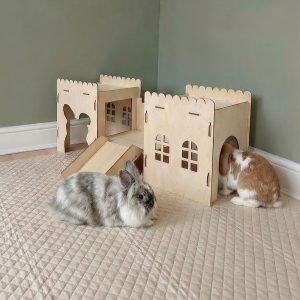
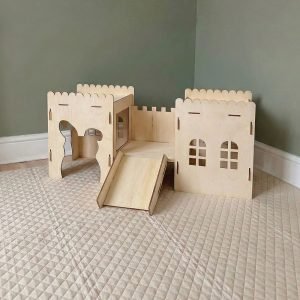
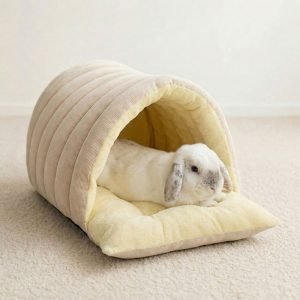
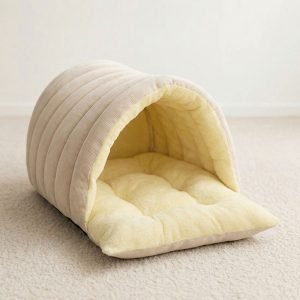
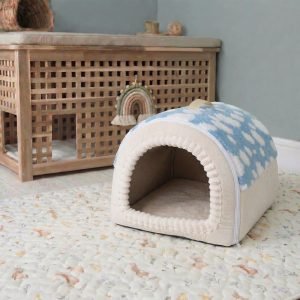
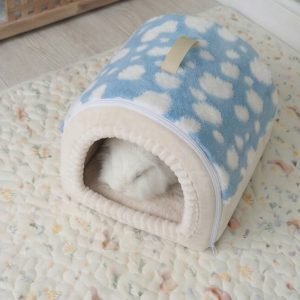
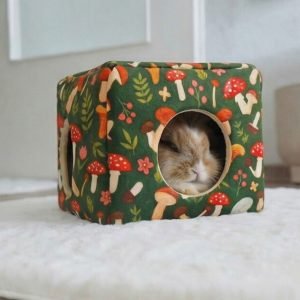
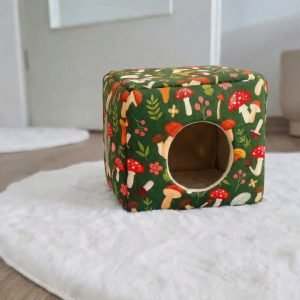
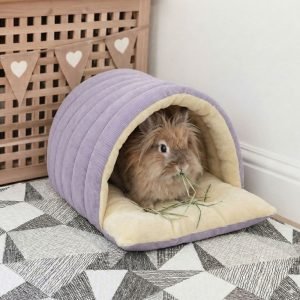
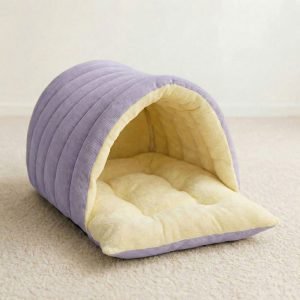
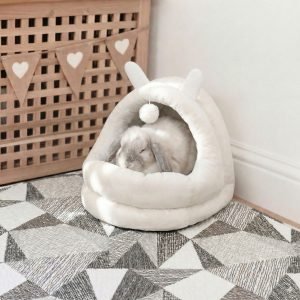

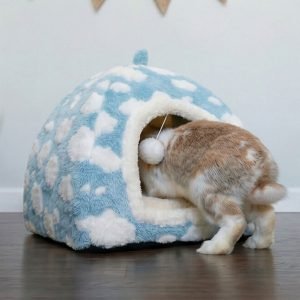
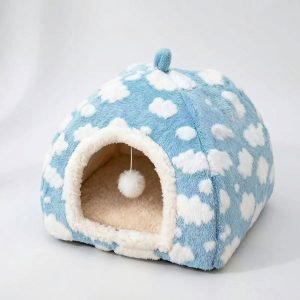
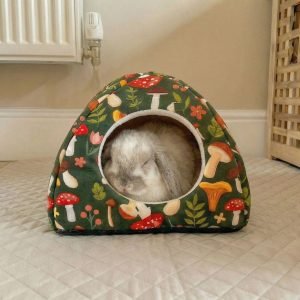
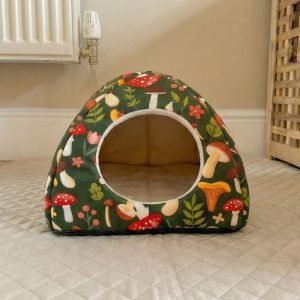
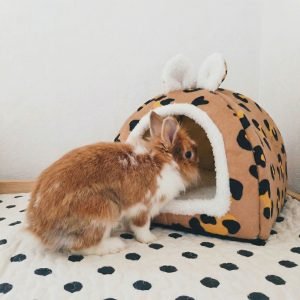


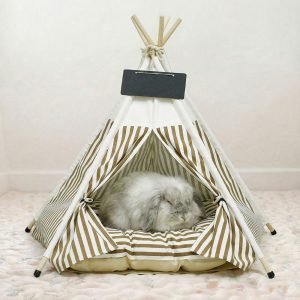
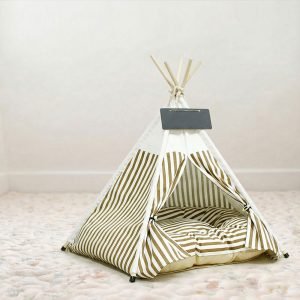
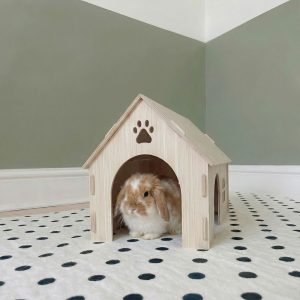
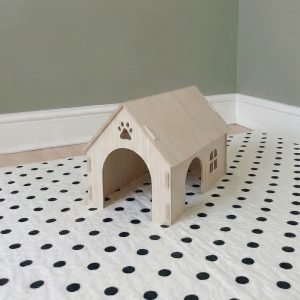
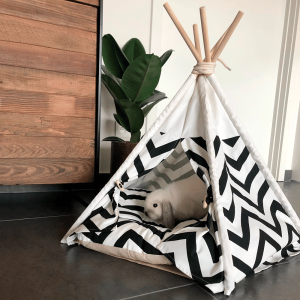
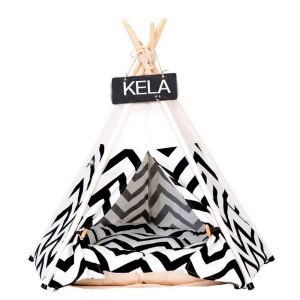
How to Choose an Indoor Rabbit House
The right rabbit house should give your bunny enough room to enter, turn around, rest and leave comfortably. Compare the internal dimensions with your rabbit’s size rather than relying only on breed labels. Also consider chewing habits, cleaning requirements and whether the house will be used by one rabbit or a bonded pair.
| Type | Best for | Main benefit | Care / Safety check |
|---|---|---|---|
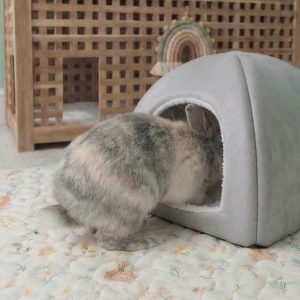
| Soft fabric house | Indoor rabbits that enjoy covered resting spaces | Soft and sheltered place for resting | Check seams, foam, fibres and washing instructions |
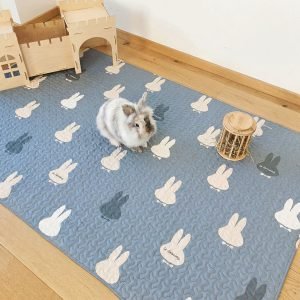
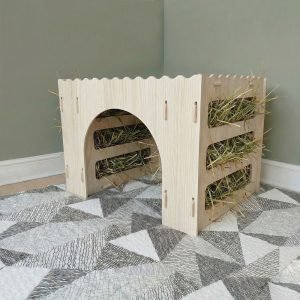
| Wooden house or castle | Rabbits that prefer a firm shelter or lookout area | Stable structure that may also offer a platform | Inspect edges, joints and wood regularly for damage or splinters |
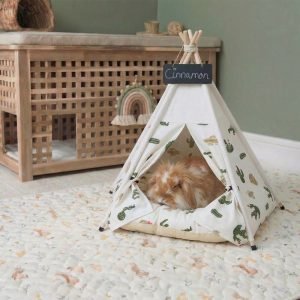
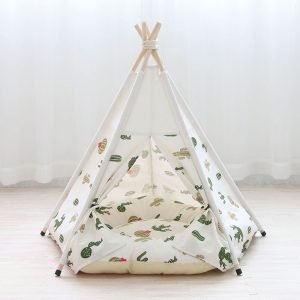
| Tent or teepee | Calm indoor corners and lightweight setups | Portable covered retreat | Check the frame, fabric, seams, entrances and stability |
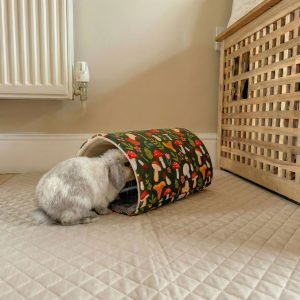
| Tunnel house | Rabbits that like moving through and hiding | Combines a retreat with an open movement route | Keep both openings clear and check the diameter and ventilation |
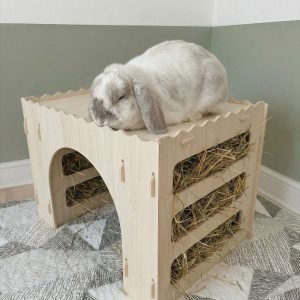
| Round or raised hideout | Rabbits that alternate between resting and observing | Covered rest area with an additional lookout surface on suitable models | Confirm the top is designed to support your rabbit and place it on a stable surface |
Rabbit House Safety and Placement
- Measure your rabbit and check the product’s internal dimensions and entrance size before ordering.
- Choose a quiet position away from draughts, direct sunlight and heavy foot traffic.
- Keep every entrance and exit unobstructed so your rabbit can leave freely.
- For bonded rabbits, prefer houses with more than one opening and provide several hiding options.
- When possible, provide one hiding place per rabbit plus an additional one.
- Inspect fabric, foam, wooden edges, frames and fastenings regularly for chewing damage or loose pieces.
- Remove the house if it becomes unstable, heavily damaged, sharply splintered or unsafe to enter.
- Place it on stable, non-slip flooring without blocking the space your rabbit needs to move around.
- Never force your rabbit into the house or trap them inside it.
For an open resting surface rather than an enclosed house, explore our rabbit beds. A rabbit mat can also provide better grip around the entrance on smooth indoor floors.
Rabbit Houses FAQ
What size rabbit house should I choose?
Choose a house that allows your rabbit to enter, turn around, rest and leave without squeezing. Compare your rabbit’s measurements with the product’s internal dimensions and entrance size. Breed labels alone are not precise enough because rabbits of the same breed can vary in size.
Does an indoor rabbit house replace a full enclosure?
No. The houses in this collection are additional hiding and resting spaces. Rabbits still need a spacious living area where they can run, stretch, stand upright, eat, drink and use their litter area.
Should a rabbit house have one or two entrances?
More than one opening is preferable, especially for bonded rabbits, because it provides another way out and reduces the risk of one rabbit blocking the entrance. If a house has only one opening, make sure it is wide, unobstructed and appropriate for your rabbit.
Which material is best for a rabbit house?
The best material depends on your rabbit’s habits. Fabric houses are soft but require close inspection if your rabbit chews textiles or foam. Wooden houses are firm but should be checked for splinters and damaged edges. Always follow the product’s cleaning instructions.
How many hiding houses do two rabbits need?
For bonded rabbits, provide at least one hiding place per rabbit and preferably one additional option. Include a space large enough for them to rest together and separate places they can use individually.